Why buyers and lenders react to a buried oil tank the way they do
A retail buyer is spending their savings on a place to live and borrowing most of the money to do it. An oil tank buried in the yard is a risk they cannot size, which is the same reason mold and structural findings end contracts.
The pattern runs predictably. The oil tank surfaces in a survey, an inspection, a title search or a neighbor's memory. The attorney asks for documentation of the removal. There is none, because the tank was abandoned in place long before anybody thought to keep paperwork. The buyer asks the seller to test it, the seller balks at spending money on a house they are leaving, and the deal sits there.
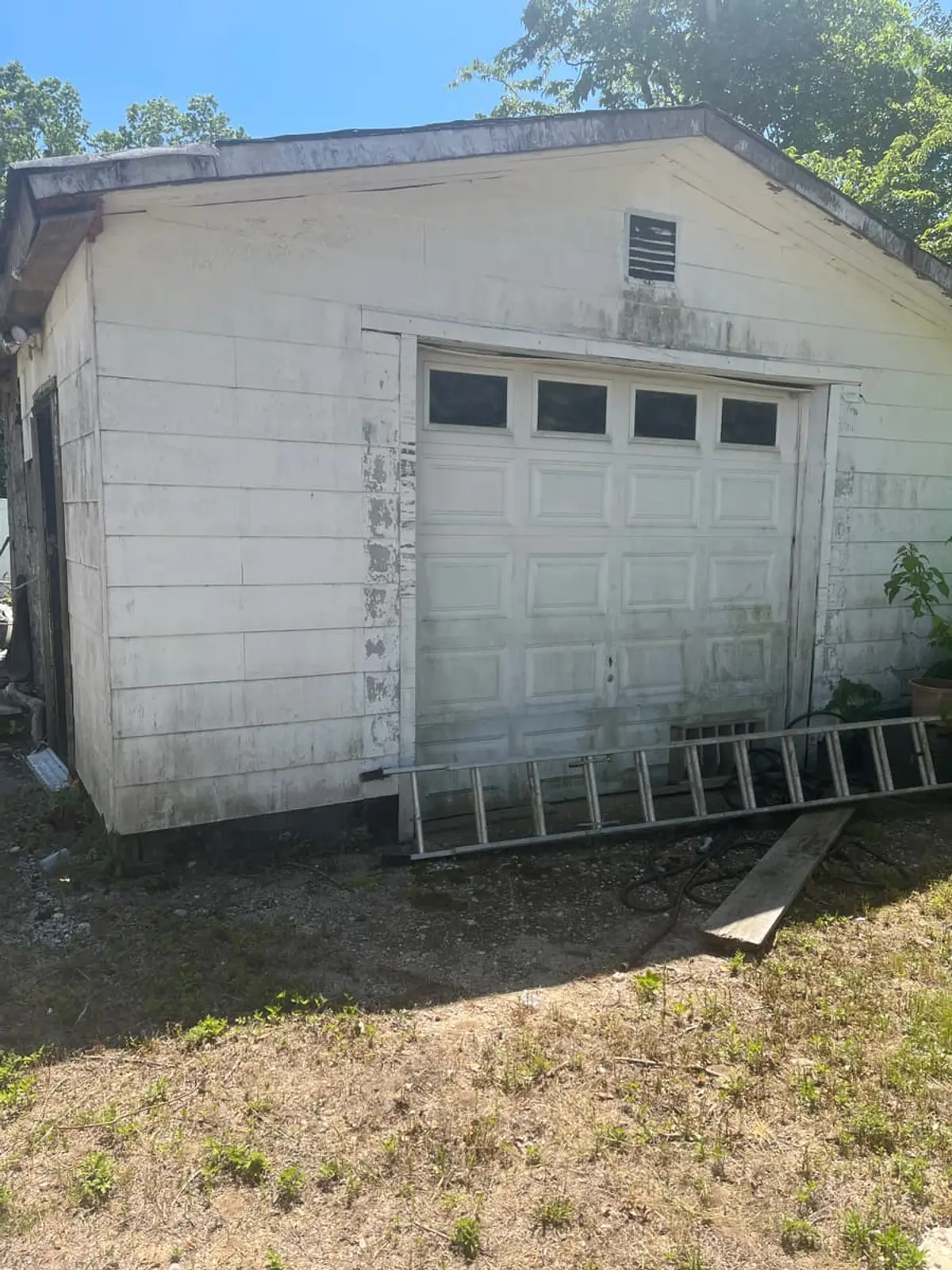
Where our experience with oil tanks is worth something to you
An oil tank is not one problem. It is a title question, an environmental question, a cost question and a timing question arriving together, and the owner is rarely in a position to project-manage all four.
That is the part we are genuinely useful for. We know which contractors do tank work properly on Long Island, which attorneys handle the paperwork side without turning it into a six-month exercise, and what a tank pull looks like when the ground underneath is clean. We buy with the oil tank in place and take the whole sequence on ourselves.
Why local knowledge changes the number
A house on Edward Avenue. A house on Sipp Avenue. Both in Medford, bought and paid for by us.
Medford is roughly 24,247 people in Suffolk County, ZIP 11763, and the housing stock is mostly ranch, hi-ranch, cape cod. Around Route 112 and Horse Block Road, most of it is old enough that the mechanicals are on their second or third life. The Medford stop pulls buyers who commute, which supports the good houses and does very little for the ones that need a roof. We have been buying across Suffolk County for 15+ years. We know what the Patchogue-Medford School District does to a resale price, which blocks still have oil tanks in the ground, and what a house like yours is actually worth here.
Save your money on the oil tank test
If the oil tank has already been tested, bring the paperwork and it saves a conversation. If it has not, do not commission anything on our behalf.
A test tells you whether product has reached the soil. That is genuinely useful if you intend to list on the open market, because a clean result is something a retail buyer can hold on to. It is not something we need before making an offer, because we are buying the tank and the ground it sits in either way.
The difference between an oil tank and an oil tank that leaked
A tank that sat empty and intact is one job. A tank that leaked is a larger one, because then the soil is involved and the work goes wider than the excavation.
That changes the number. It does not end the conversation. We have bought houses where oil had reached the soil and taken them through to closing. What we ask is that you tell us early, because an offer built on half the story is an offer that moves later, and being renegotiated late is exactly the experience you are trying to get away from.
What the two paths cost in Medford
These are the two routes open to you with a house with a buried oil tank, priced against what Medford houses actually sell for.
Work it against Medford's own numbers. The median sale here is $585,554. A 5% commission on that is $29,278, and seller closing costs of about 2% add roughly $11,711. Those are costs we can cover on our side. That is $40,989 gone before anyone counts the repairs it took to get the house listable.
There are two waits in a listed sale and people usually only count the first. In Medford the median house takes about 25 days to go from listed to a signed contract. Then it waits again, typically 45 to 60 days, while the buyer's lender orders an appraisal and underwrites the loan. Call it 70 to 85 days from sign to keys, assuming nothing goes wrong.
The part worth understanding is what a signed contract actually guarantees, which is less than most sellers assume. A retail buyer with a mortgage contingency can walk away right up to the end. If they do not qualify, if the appraisal comes in under the price, if they change their mind and let the financing lapse. A share of deals die exactly there, after months of waiting, and the house goes back on the market with time on it. We are not borrowing anything, so there is no lender to satisfy, no appraisal to come in low and no contingency to exercise.
| Listing with an agent | Selling to us | |
|---|---|---|
| Sale price | $585,554 (Medford median) | Our written offer |
| Commission | −$29,278 | None |
| Seller closing costs | −$11,711 | We can cover them |
| Repairs before listing | Out of pocket | None |
| Cleanout | Yours | Ours |
| Showings | Until it sells | One visit |
| Listed to signed contract | 25 days (Medford median, once listable) | 24 hours to a written offer |
| Contract to closing | 45 to 60 days (waiting on the buyer's lender) | A date you choose |
| Total wait | 70 to 85 days if nothing falls through | Yours to set |
| Can the buyer walk? | Yes (mortgage contingency runs to the end) | No financing to fall through |
| Before repairs and carrying | $544,565 | The number we put in writing |
The listing column assumes a 5% commission and seller closing costs of about 2%. Both vary. We have not subtracted repairs or the cost of carrying the house while it sits, because those depend on the property. A house in good condition listed with a good agent can absolutely beat a cash offer, and we will say so if that is your situation.
No lender to satisfy, and no oil tank condition to clear
On a financed sale the seller is usually the one asked to pay for the oil tank work up front, on a house they are leaving, for a buyer who can still walk away afterward. That is an impossible position, and plenty of people accept it anyway because they believe there is no alternative.
There is. We buy with the oil tank in place, at our cost and our risk, and the money stays in your pocket instead of going into the yard.
What you do not pay when you sell a house with a buried oil tank
Listing a house with a buried oil tank the usual way brings each of these costs with it. Selling to us brings none of them.
- Agent commission
- $29,278 at 5% of the Medford median none
- Seller closing costs
- About $11,711 on a $585,554 sale. We can cover these. none
- Repairs to make it listable
- Whatever it takes to make it listable, paid in advance none
- Cleanout and removal
- Dumpsters or haulers by the load, ahead of any viewing none
- Carrying costs while it waits
- Taxes, insurance and utilities through the 70 to 85 days a listing takes to sell and close none
Telling us everything, and what you owe a buyer
New York has disclosure obligations for sellers, and what applies to your situation is a legal question. Ask your attorney about the oil tank before you sell to anyone, ourselves included.
Separately from that: tell us. Nothing you say about the tank will make us withdraw, and everything you say makes the number more accurate the first time. The sales that fall apart are the ones built on incomplete information, and that serves nobody.
Common questions
Do I have to remove the oil tank before you buy a Medford house?
Not at all. No removal, no test, no soil work. The oil tank is priced into the offer, and the offer does not move afterward.
How do I know whether there is still an oil tank buried in my yard?
Houses built in the oil era and later converted to gas are the usual candidates. If you are not sure, we can tell a good deal from a walk around the property, and a sweep by a tank contractor answers it either way.
What if the oil tank leaked?
Then the job is bigger, because the soil is involved as well as the steel. It changes our number rather than our willingness. We have bought houses in exactly that situation and closed them.
A buyer walked away over the oil tank. Does that hurt my chances with you?
Not in the slightest, and it is a common way people arrive at this conversation. A retail buyer walking over an oil tank tells us something about that buyer, not about your house.
Does the oil tank change what you can pay?
Yes, in the way any repair does. Because we use contractors we have worked with for years, the deduction is usually smaller than the quotes homeowners are handed when they call around Medford themselves.